


The first few months of 2025 have been eventful in the GPU space to say the least, and besides the warm reception of Radeon 9000 GPUs, there's been a ton of negative press flying around, with most of it directed squarely at Nvidia. Pitiful amounts of stock at launch, reports of burning 12VHP power connectors, and perhaps most surprisingly, heaps of driver issues plagued the new RTX 50 series cards. But that's just the tip of the iceberg. As if it couldn't get any worse, reports of missing ROPs, known as Raster Operations Pipeline or Render Output Units, were found on 5090, 5090D, 5080, and 5070 Ti GPUs.
This is a pretty huge mistake by Nvidia, but why should you care? If you don't own an RTX 50 series GPU, and weren't planning on purchasing one, it might be difficult to see how this might affect you. This mistake has consequences that reach far beyond this GPU launch for Nvidia, and here's why you should take note of it, even if you're not affected directly.
What are ROPs?
They’re a key part of the GPU silicon


 Credit: Source: Wikimedia Commons/Geekerwan
 Credit: Source: Nvidia


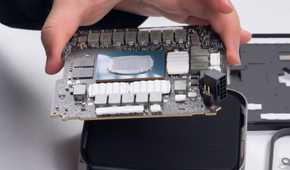
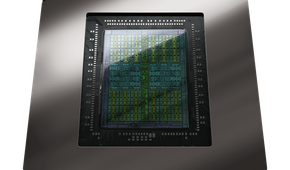
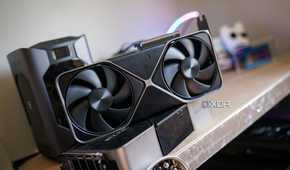
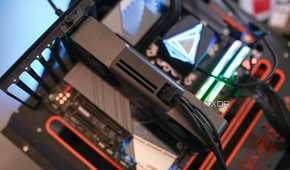

When a GPU is made, it's cut, or "diced" from a much larger silicon wafer, which can contain many GPUs. These chips are inspected and "binned" into different levels of quality. Not every part of the wafer is 100% functional and perfect, so manufacturers will sort the dies into different categories of quality. It's a spectrum, usually with the lowest "quality" dies going into cards like 5070s or other low-tiered GPUs for the given architecture. In these cases, sometimes GPU manufacturers will disable parts of the silicon if it doesn't meet a specific standard.
So what does this have to do with ROPs? Well, ROPs are on the silicon, and are responsible for writing pixel values to a frame buffer. Antialiasing and blending are two key parts of this process that can be affected by ROP count and performance. The degree to which performance is affected really depends on how ROP-intensive an application is. The number of ROPs a GPU has can be controlled at the hardware level, to put it simply.
Missing ROPs were first reported on 5090s by TechPowerUp, and little did they know just how widespread this issue was. Nvidia responded, and reported that less than 0.5% of RTX 5090, 5090D, and 5070 Ti GPUs were affected, and the resulting performance impact was 4%. They also stated that affected customers could contact their board manufacturer for a replacement.
Nvidia is not a total stranger to a situation like this
Remember the GTX 970?

This isn't the first time Nvidia has been embroiled in controversy surrounding the reported specs of their GPUs. In 2015, GTX 970 owners were reporting that their card's advertised 4 GB of VRAM at 224 GB/s bandwidth was actually 3.5 GB, with the rest of the memory running at 196 GB/s. Not only that, the GTX 970 was also missing ROPs; Nvidia advertised the 970 as having 64 ROPs, but the card only shipped with 56. Nvidia would go on to settle a class action lawsuit, and would be required to pay $30 to each GTX 970 owner.
This current situation is a little different, since there are 50 Series cards that contain the advertised number of ROPs, but it still shows an important precedent. Nvidia eroded trust with enthusiasts due to the GTX 970 fiasco, but honestly, the manufacturing issues with the 50 series are far more concerning than anything that has taken place in the past.
The reason why it matters
Nvidia's response has been a slap in the face to consumers

When GPUs come off the line, and they're tested, they go through a pretty robust set of both hardware and software tools to ensure quality. This is done both before and after GPUs get put onto their final PCBs, where they're then assembled and sent to retailers. A mistake like this only happens in one of two ways: Nvidia didn't know about the missing/defective ROPs and sent the GPUs out, or they knew full well the chips were defective, and sent them out anyway.
Both situations present an extremely concerning view of Nvidia; whether it's a calculated effort to try and slip defective GPUs under the nose of customers, or just pure incompetence, it shakes brand perception to its core. Their response has been dreadful as well. Saying the average impact is 4%, when it largely depends on what the consumer is doing with their GPU, is misleading, and a response that includes a percentage of GPUs affected so soon after outlets were reporting it, is suspicious to say the least.
Also, simply releasing a statement to tech outlets saying consumers can get their cards replaced if they wish, is simply not good enough. Even if they do send their card in, who's to say when they'll get one back? Stock of the 50 series is so abysmal that I might just want to hold onto my defective card anyway. What Nvidia should do is provide a warning through the Nvidia App, warning users that their card is missing ROPs, regardless of the true performance impact. If third-party programs like GPU-Z can detect missing ROPs, Nvidia's own app definitely can.
Most consumers aren't tuned in to tech news outlets as much as enthusiasts might be; they might do some research before buying, buy the component, and then that's it. That's why it's so concerning that there hasn't been a more active response from Nvidia. There could be consumers out there that are fully ignorant of the fact that they aren't getting the full performance of their card. For GPUs that cost as much as these do, that's simply unacceptable.
You haven't heard the end of this controversy
Most people buy Nvidia because they know it just works. It mostly does what it says on the tin: the drivers aren't buggy, and you certainly won't get a straight-up defective piece of silicon. There have been disappointing launches in the past (RTX 20 series, anyone?) but nothing like this. Rare burning power connectors, low stock and some buggy drivers is one thing, but shipping defective cards and following them up with a nonchalant response is really concerning.