For many years, Heroku has been a go-to platform for developers looking to deploy applications quickly without managing servers or complex infrastructure. Its Git-based deployment model, developer-friendly tooling, and strong ecosystem made it especially popular among startups, indie developers, and small teams.
However, changes in pricing, the removal of free tiers in the past, and the rapid evolution of modern cloud platforms have encouraged many developers to explore alternative deployment solutions. Today, several platforms offer similar simplicity while providing improved performance, better pricing models, or additional capabilities.
In this article, we’ll explore some of the Heroku alternatives for deployment in 2026.
1. Vercel
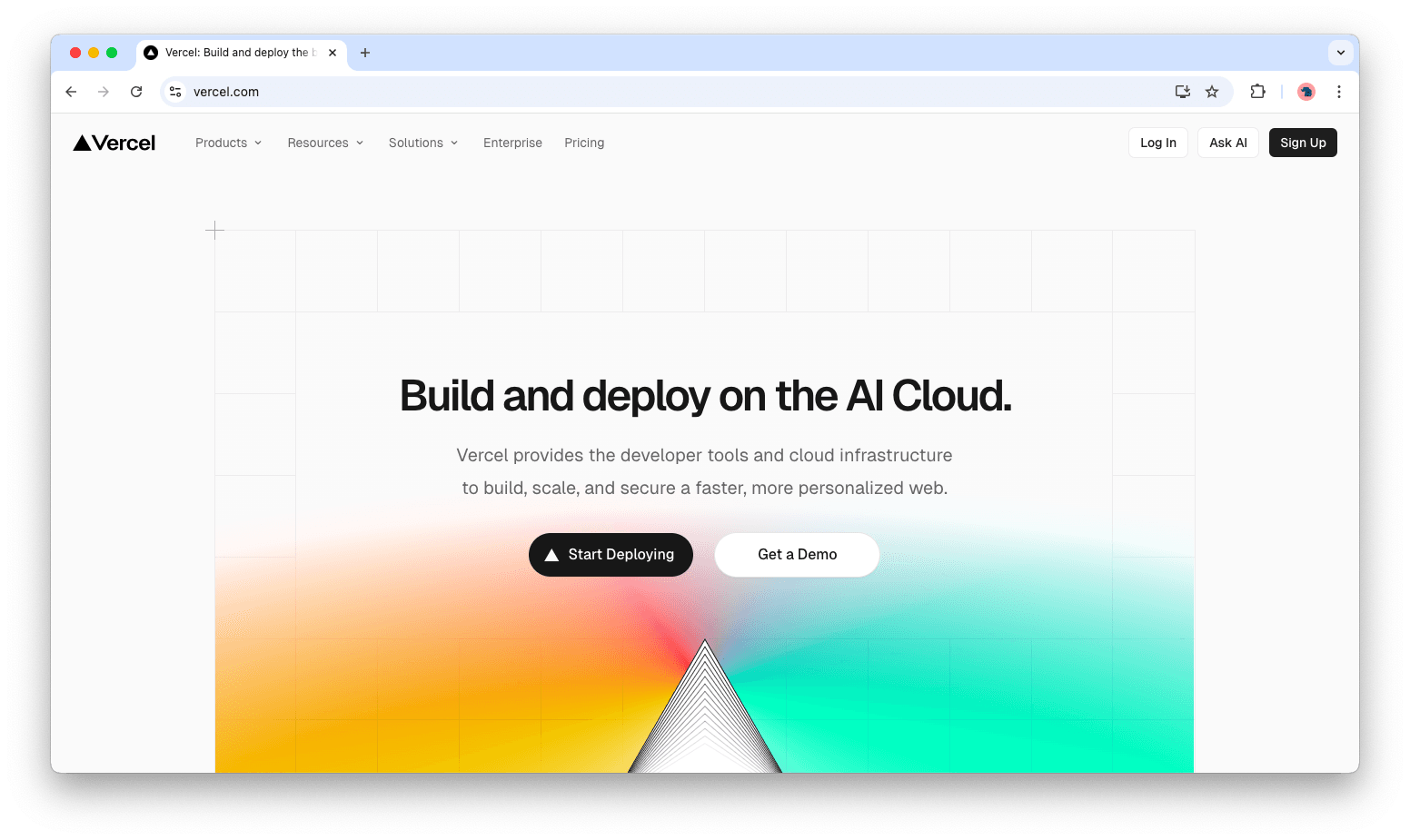
Vercel has become one of the most widely used platforms for deploying modern frontend applications, particularly those built with frameworks like Next.js. The platform focuses on performance, offering global edge delivery and automatic preview deployments.
One of Vercel’s standout features is its seamless integration with Git repositories. Every commit can generate a preview deployment, allowing teams to review changes before they are merged into production. In addition to frontend hosting, Vercel also supports serverless functions for backend logic.
This makes Vercel an excellent choice for teams building high-performance frontend applications or JAMstack architectures.
2. Render
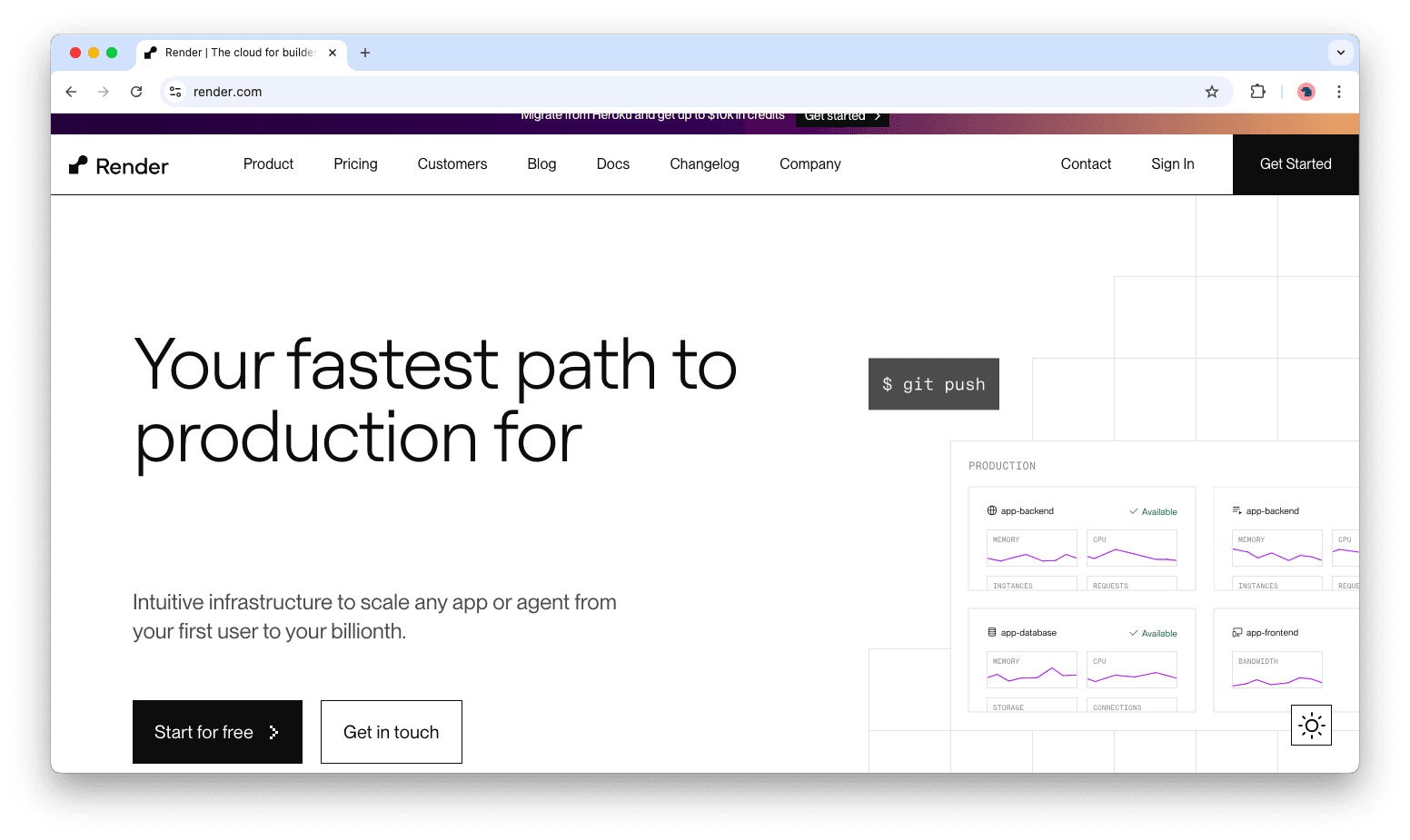
Render has become one of the most popular alternatives to Heroku, especially for developers who want a familiar deployment experience with modern improvements. The platform provides fully managed infrastructure that allows developers to deploy web services, background workers, cron jobs, and static sites directly from Git repositories.
One of Render’s biggest advantages is its simplicity. Similar to Heroku, developers can push code to a repository and trigger automatic deployments without worrying about server management. The platform also includes built-in support for managed PostgreSQL databases, Redis, and private networking between services.
Because of its Heroku-like workflow and transparent pricing model, Render has become a common destination for teams migrating away from Heroku.
3. Netlify
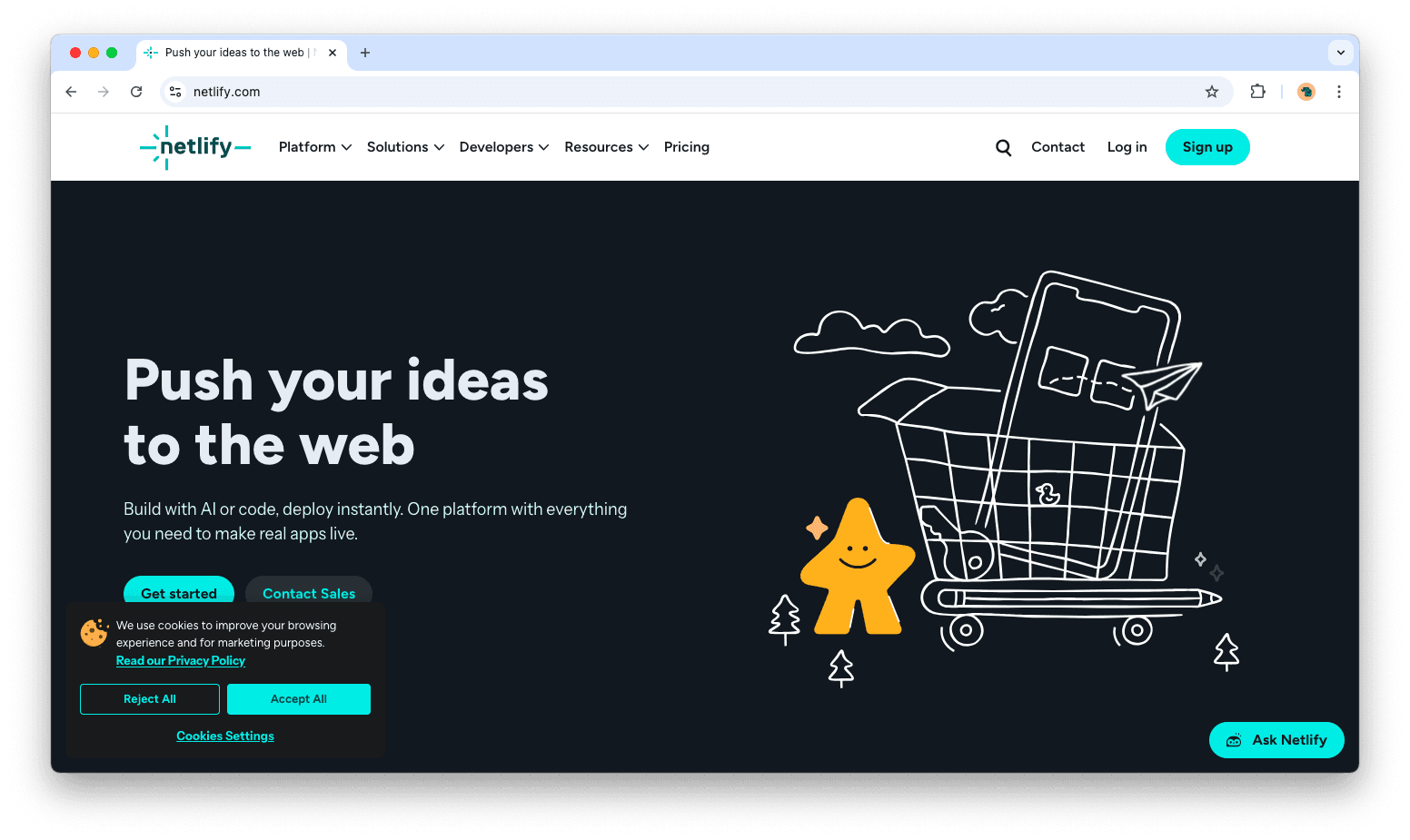
Netlify is another well-known platform for deploying modern web applications, particularly static and serverless sites. It offers a powerful deployment pipeline that automatically builds and deploys applications when code is pushed to a connected Git repository.
The platform includes built-in features such as serverless functions, global CDN delivery, form handling, authentication, and edge functions. These capabilities allow developers to build full-featured applications without managing servers.
Because of its ease of use and integrated tooling, Netlify remains a strong choice for developers building JAMstack and frontend-focused projects.
4. DigitalOcean App Platform
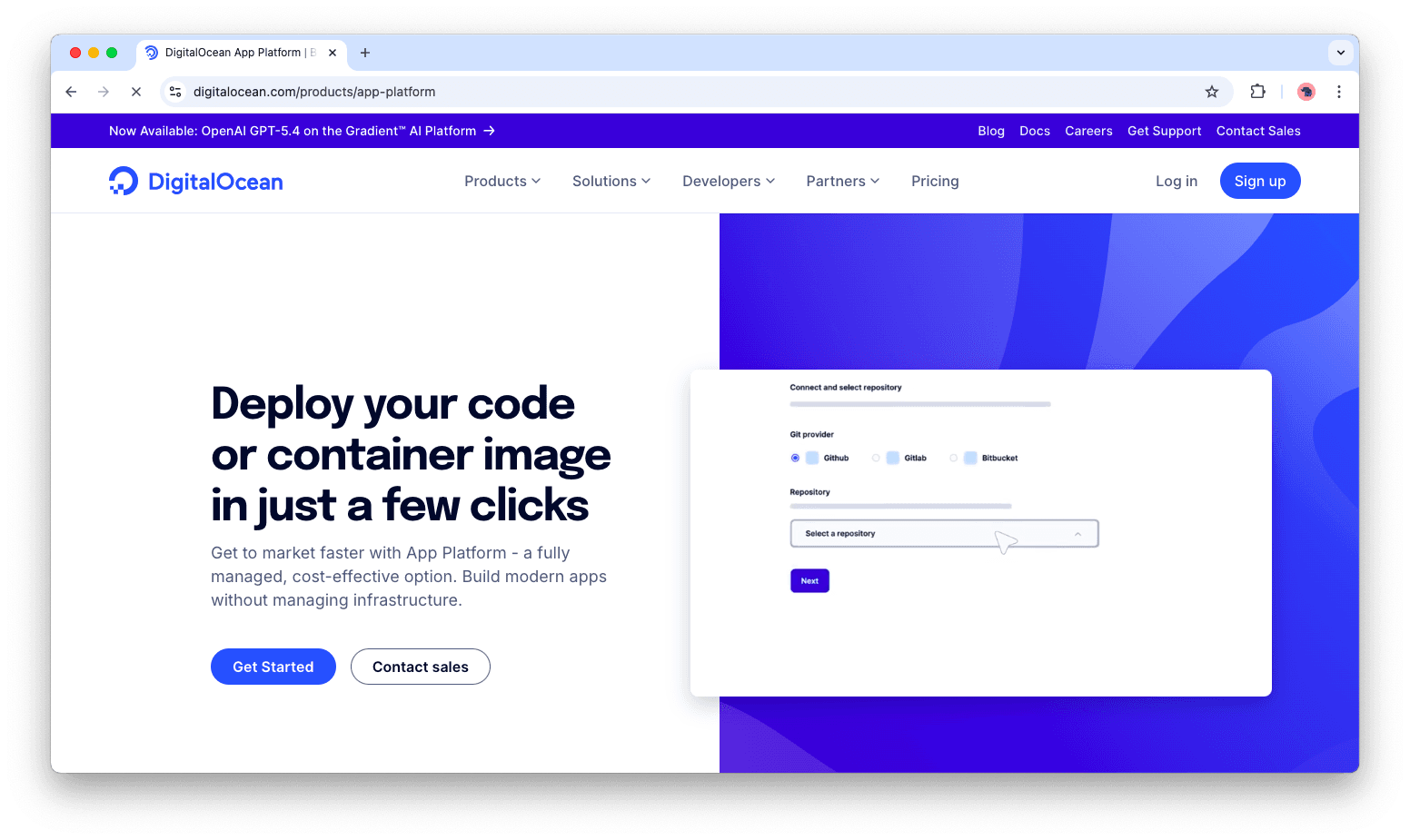
The App Platform from DigitalOcean is a managed PaaS designed to simplify application deployment while still leveraging the reliability of the broader DigitalOcean ecosystem.
Developers can deploy applications directly from Git repositories, and the platform automatically handles build processes, scaling, and infrastructure management. It also integrates seamlessly with other DigitalOcean services such as managed databases, object storage, and Kubernetes clusters.
For teams already using DigitalOcean’s infrastructure, App Platform offers a convenient way to deploy applications while maintaining a simple and predictable workflow.
5. Fly.io
Fly.io offers a unique deployment approach by allowing applications to run closer to users around the world. Instead of hosting an application in a single region, Fly.io distributes workloads across a global infrastructure, improving performance and reducing latency.
Developers typically deploy applications to Fly.io using Docker containers, which makes it easy to package applications consistently. The platform also provides managed PostgreSQL clusters, built-in networking between services, and edge deployment capabilities.
This distributed architecture makes Fly.io particularly appealing for applications that require low latency or serve users across multiple geographic regions.
6. Railway
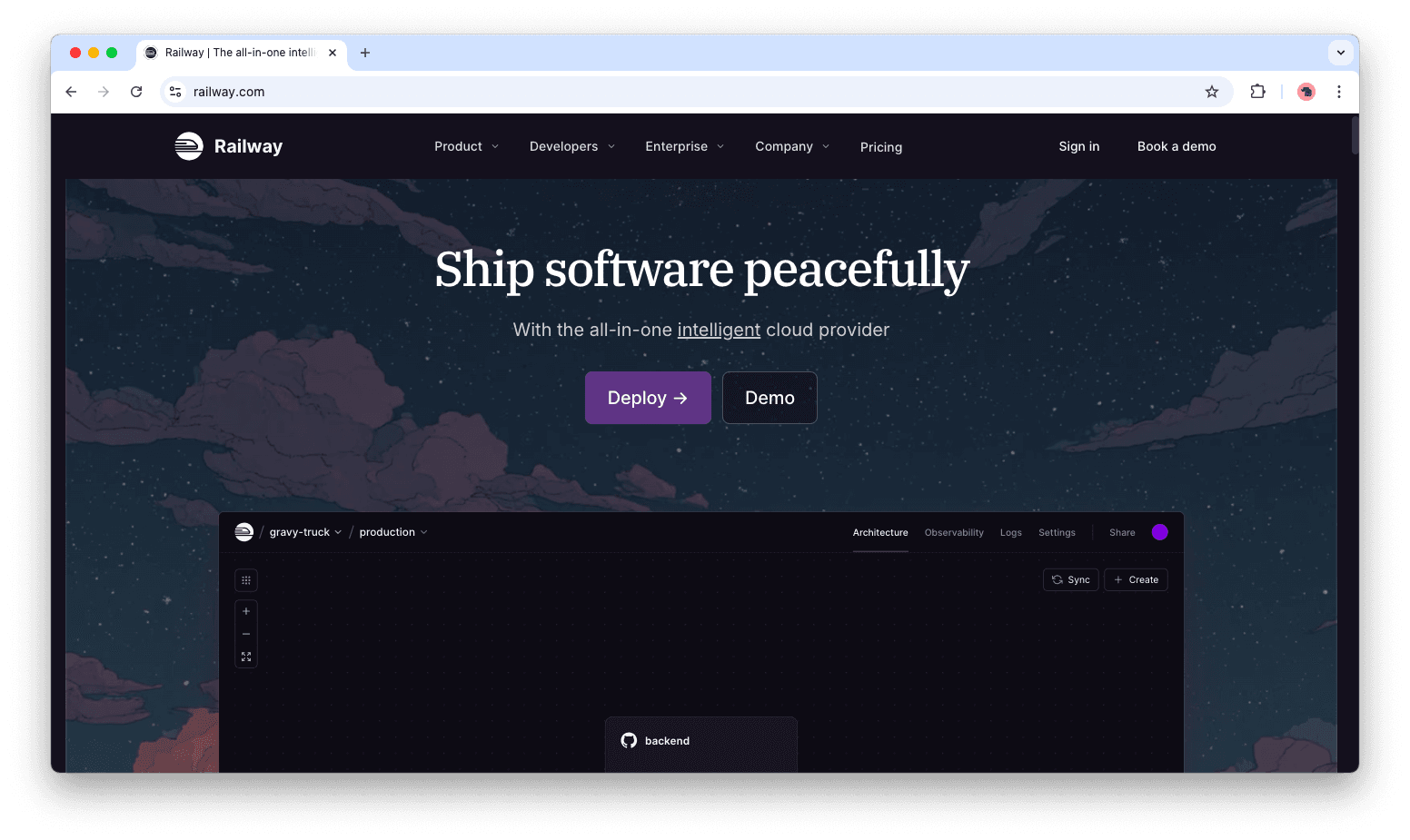
Railway is another modern deployment platform that focuses heavily on developer productivity. Its clean interface and streamlined workflow allow developers to deploy applications and supporting services with minimal configuration.
With Railway, developers can connect their GitHub repositories and automatically deploy applications whenever new code is pushed. The platform also offers one-click database provisioning for services like PostgreSQL and Redis, along with built-in environment variable management and application monitoring.
Railway is especially popular among developers building MVPs, prototypes, and side projects because it reduces the operational complexity of managing infrastructure.
7. Sevalla
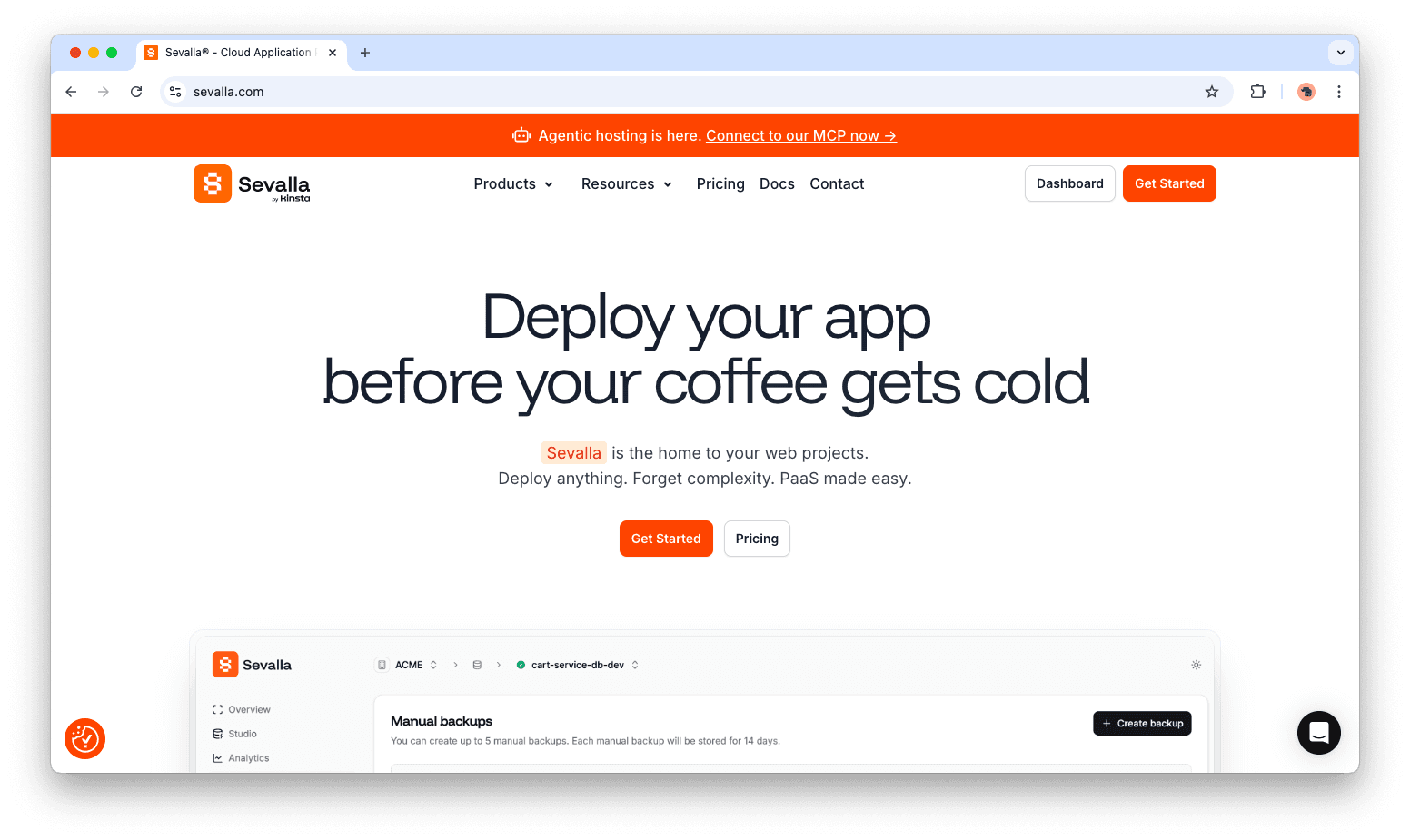
Sevalla is an emerging developer-focused Platform-as-a-Service designed to simplify application deployment while offering modern cloud capabilities. Sevalla provides a flexible environment where developers can deploy applications, databases, object storage, and static sites without managing infrastructure.
One of Sevalla’s key strengths is its flexible deployment options. Developers can deploy applications directly from Git repositories, Docker images, or custom Dockerfiles, making it compatible with a wide range of languages and frameworks.
Sevalla is designed to reduce operational complexity while still delivering scalability and strong performance. Applications can run on containerized workloads powered by Kubernetes and be delivered globally through Cloudflare’s edge infrastructure, helping ensure reliable and low-latency access for modern web applications.
8. Amazon Web Services with AWS Elastic Beanstalk
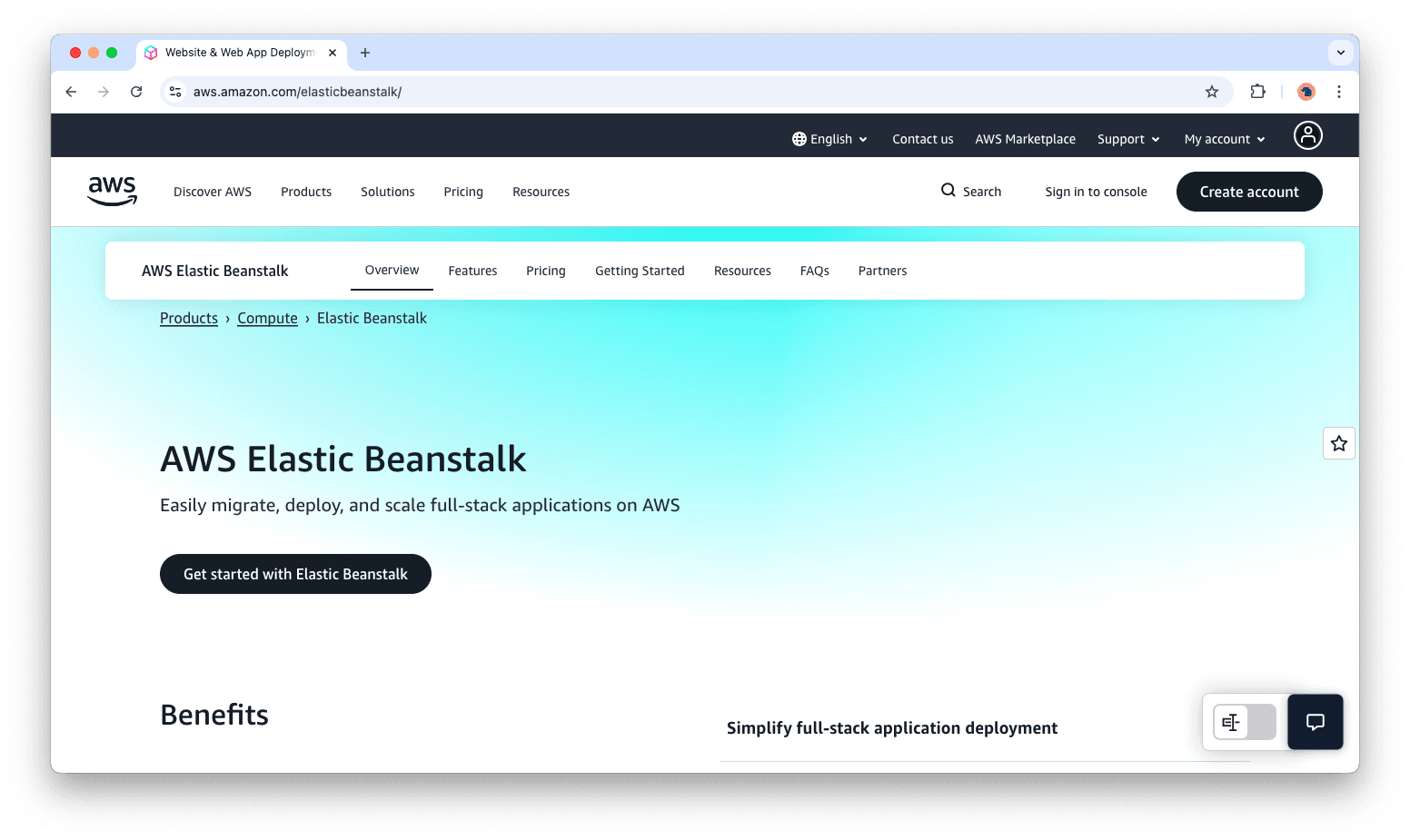
For teams that require deeper integration with cloud infrastructure, AWS Elastic Beanstalk provides a managed deployment environment within the AWS ecosystem. It simplifies the process of deploying applications while still offering access to the full range of AWS services.
Elastic Beanstalk automatically handles provisioning, load balancing, scaling, and monitoring. Developers can deploy applications written in multiple programming languages while AWS manages the underlying infrastructure.
Organizations that already rely on AWS often choose Elastic Beanstalk because it integrates naturally with services like databases, storage, and monitoring tools.
9. Conclusion
While Heroku remains a well-known deployment platform, the cloud ecosystem now offers a wide range of powerful alternatives. Platforms like Render, Fly.io, Railway, DigitalOcean App Platform, Vercel, Sevalla, Netlify, and AWS Elastic Beanstalk provide modern deployment workflows and flexible infrastructure options.
Choosing the right platform depends on factors such as application architecture, scalability requirements, pricing preferences, and the level of infrastructure control needed. By evaluating these factors, developers and teams can find a deployment solution that fits their workflow and supports the needs of modern applications in 2026
This article explored the top Heroku alternatives for deployment.