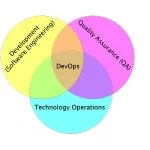
In today’s fast-paced software world, security can no longer be an afterthought. Java remains one of the most widely used programming languages for enterprise applications, making it a common target for attackers. Integrating DevSecOps practices—embedding security into the development and operations pipeline—is essential to building robust, scalable, and secure Java applications.
This article explores practical strategies to secure your Java codebase from day one using DevSecOps principles.
Why DevSecOps Matters for Java Applications
Traditional approaches often tacked on security at the end of development. But this reactive model doesn’t scale. In contrast, DevSecOps integrates security into every stage of the software development lifecycle (SDLC).
For Java developers, this means:
- Catching vulnerabilities early in development.
- Automating checks to reduce human error.
- Ensuring compliance and governance without slowing down delivery.
- Building a culture of shared responsibility across developers, security teams, and operations.
Key DevSecOps Practices for Java
1. Secure Dependencies with Dependency Management
Java applications often rely heavily on third-party libraries. Vulnerable dependencies are a leading cause of exploits.
- Use tools like OWASP Dependency-Check or Snyk to scan for known vulnerabilities in your
pom.xmlorbuild.gradle. - Apply dependency version constraints and avoid unmaintained libraries.
- Automate scans in CI/CD pipelines to block risky builds.
<!-- Example: enforcing version constraints in Maven -->
<dependencyManagement>
  <dependencies>
    <dependency>
      <groupId>org.springframework.boot</groupId>
      <artifactId>spring-boot-starter-web</artifactId>
      <version>3.2.0</version>
    </dependency>
  </dependencies>
</dependencyManagement>
2. Enforce Secure Coding Standards
Adopt static code analysis tools like:
- SpotBugs with the FindSecBugs plugin for detecting security flaws.
- Checkstyle or PMD for enforcing coding standards.
These tools catch issues like SQL injection, insecure deserialization, and improper use of Java reflection—before code hits production.
3. Implement Strong Authentication and Authorization
- Always rely on battle-tested frameworks like Spring Security instead of writing custom security logic.
- Use JWT (JSON Web Tokens) or OAuth2 for secure session handling.
- Enforce role-based access control (RBAC) or attribute-based access control (ABAC) at the service and API level.
// Example: Spring Security method-level RBAC
@PreAuthorize("hasRole('ADMIN')")
public void deleteUser(String userId) {
    // secured logic
}
4. Secure Configuration Management
- Externalize sensitive configurations like DB credentials using environment variables or HashiCorp Vault.
- Never hardcode secrets in code or config files.
- Use Spring Cloud Config or Kubernetes secrets for managing application properties securely.
5. Automate Security Testing in CI/CD
DevSecOps thrives on automation:
- Static Application Security Testing (SAST): SpotBugs, SonarQube.
- Dynamic Application Security Testing (DAST): OWASP ZAP for runtime testing.
- Interactive Application Security Testing (IAST): Tools like Contrast Security for in-depth analysis.
Integrate these into Jenkins, GitHub Actions, or GitLab CI to enforce “shift-left security.”
6. Monitor and Patch Continuously
- Use runtime monitoring (e.g., with ELK stack, Prometheus, or Grafana) to detect suspicious activity.
- Regularly patch JVM and frameworks like Spring Boot or Hibernate.
- Automate patch management with container images that are rebuilt and redeployed automatically.
7. Embrace Security as Code
Just like infrastructure-as-code, security-as-code ensures consistency and repeatability.
- Define policies in code (e.g., using Open Policy Agent or Spring Security expressions).
- Automate compliance checks against frameworks like CIS Benchmarks for Java environments.
Building a DevSecOps Culture
The tools are important, but culture is the real driver.
- Train developers in secure coding practices.
- Involve security teams early in design decisions.
- Encourage peer reviews with a security mindset.
- Make security metrics part of your CI/CD dashboards.
Conclusion
Securing Java applications starts with embedding DevSecOps practices into your workflows from the very beginning. By securing dependencies, enforcing coding standards, leveraging frameworks like Spring Security, and automating testing and monitoring, you ensure your Java codebase is resilient against modern threats.
DevSecOps isn’t just a trend—it’s a necessity for building trustworthy software at scale.
Useful Resources
- OWASP Dependency-Check
- FindSecBugs: Security Plugin for SpotBugs
- Spring Security Reference
- OWASP Top Ten 2021
- SonarQube for Java Security