
The Diploma Programme (DP) curriculum, offered by the International Baccalaureate (IB), is a rigorous and comprehensive two-year educational framework designed for students aged 16 to 19. The curriculum of the DP focuses on developing critical thinking, research skills, and a global perspective. Students who undertake the DP are prepared for success in higher education and beyond, thanks to its balanced and challenging approach to learning. In this article, we will explore the key components and benefits of the DP curriculum
IBDP (Diploma Programme)
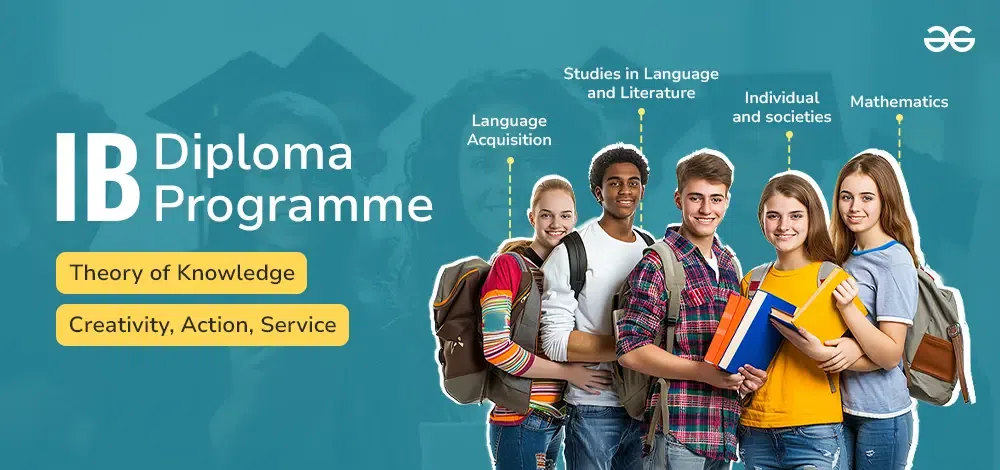
The Diploma Programme (DP) is a prestigious two-year educational framework provided by the International Baccalaureate (IB) for students aged 16 to 19. It is designed to foster academic excellence, critical thinking, and international-mindedness. The DP curriculum includes six subject groups and three core components: the Extended Essay (EE), Theory of Knowledge (TOK), and Creativity, Activity, Service (CAS). These elements encourage students to engage in independent research, reflect on knowledge and ethics, and participate in community service. Graduates of the DP are well-prepared for university and future careers, benefiting from a balanced and rigorous education that promotes holistic development
Read more- What is the Diploma Program?
IBDP (Diploma Programme) Curriculum Structure

The DP (Diploma Programme) Curriculum Structure is designed to give students a broad and balanced education. It includes six subject groups: Studies in Language and Literature, Language Acquisition, Individuals and Societies, Sciences, Mathematics, and The Arts or Electives. Students choose one subject from each group, ensuring they study a range of disciplines. In addition, there are three core components: the Extended Essay, which involves independent research; Theory of Knowledge, which explores how we know what we claim to know; and Creativity, Activity, Service (CAS), which encourages students to engage in artistic, physical, and community service activities. This structure helps students develop critical thinking, research skills, and a global perspective.
Core Components in Detail
Approaches to Learning (ATL)
ATL skills help students apply their knowledge to real-world situations. There are five main ATL skill categories:
1. Thinking Skills
Thinking Skills help you to understand and solve problems.
- Critical Thinking: Looking at things carefully to decide if they are true or useful.
- Creative Thinking: Coming up with new and original ideas.
- Reflective Thinking: Thinking about what you did and how you can improve.
2. Research Skills
Research Skills help you find and use information.
- Finding Information: Knowing where to look and what to search for.
- Understanding Information: Knowing what the information means.
- Presenting Information: Sharing what you found in a clear way
3. Communication Skills
Communication Skills help you share ideas and understand others.
- Speaking: Talking clearly so others understand you.
- Listening: Paying attention to what others are saying.
- Reading and Writing: Understanding written information and expressing your ideas in writing.
- Using Media and Technology: Using tools like computers, videos, and social media to communicate.
4. Social Skills
Social Skills help you work well with others.
- Collaboration: Working together to reach a goal.
- Respecting Others: Valuing different opinions and backgrounds.
- Resolving Conflicts: Finding peaceful solutions to disagreements.
- Empathy: Understanding and sharing the feelings of others.
5. Self-Management Skills
Self-Management Skills help you organize and control your own actions and feelings.
- Organization: Keeping your work and time in order.
- Emotional Management: Handling your feelings in a positive way.
- Reflection: Thinking about what you did and how to do better next time.
- Perseverance: Keeping going, even when things are tough.
- Self-Motivation: Encouraging yourself to do your best.
Theory of Knowledge (TOK)
TOK encourages students to delve into the nature of knowledge and understand how we know what we claim to know. Students reflect on their role as thinkers, the complexity of information, and the ethical need to act responsibly in a connected yet unpredictable world.
Extended Essay (EE)
The Extended Essay requires students to conduct independent research on a question related to one of the DP subjects they are studying. This 4,000-word essay fosters deep investigation and enhances research and writing skills.
Creativity, Activity, Service (CAS)
CAS emphasizes the development of students’ identities according to the ethical principles in the IB Mission Statement and the IB Learner Profile. CAS complements the academic program in a holistic manner, providing opportunities for self-determination, collaboration, achievement, and enjoyment.
Subject Groups in Detail
1. Studies in Language and Literature
Studies in Language and Literature helps you understand and think deeply about written works.
- Critical Analysis: Looking closely at texts (books, articles, etc.) to understand their meaning, structure, and themes.
- Understanding Texts: Learning to appreciate different kinds of writing and their impact on readers.
2. Language Acquisition
Language Acquisition helps you learn a new language.
- Proficiency in a Second Language: Becoming good at speaking, reading, writing, and understanding another language besides your native one.
3. Individuals and Societies
Individuals and Societies covers subjects that explore human society and behavior.
- History: Studying past events and how they shape our world today.
- Geography: Learning about different places, environments, and how people interact with them.
- Economics: Understanding how money, trade, and resources work in societies.
4. Sciences
Sciences teaches you about the natural world through subjects like biology, chemistry, and physics.
- Biology: Studying living things, from tiny cells to complex organisms.
- Chemistry: Learning about substances, how they interact, and how they change.
- Physics: Understanding the basic laws that govern the universe, like gravity and energy.
- Environmental Systems: Exploring how living and non-living parts of the environment interact.
5. Mathematics
Mathematics helps you understand numbers, shapes, and patterns.
- Different Levels: Offering courses from basic math to advanced topics, so you can choose what matches your skill level and interests.
6. The Arts or Electives
The Arts or Electives allows you to explore creative subjects like visual art.
- Visual Art: Learning to create and appreciate different forms of art, such as drawing, painting, and sculpture.
- Electives: Offering additional subjects you can choose based on your interests, like music, drama, or technology.
More Articles like Diploma Programme (DP) Curriculum
What age group is the DP for?
What is the Diploma Program?
What is IB Board?