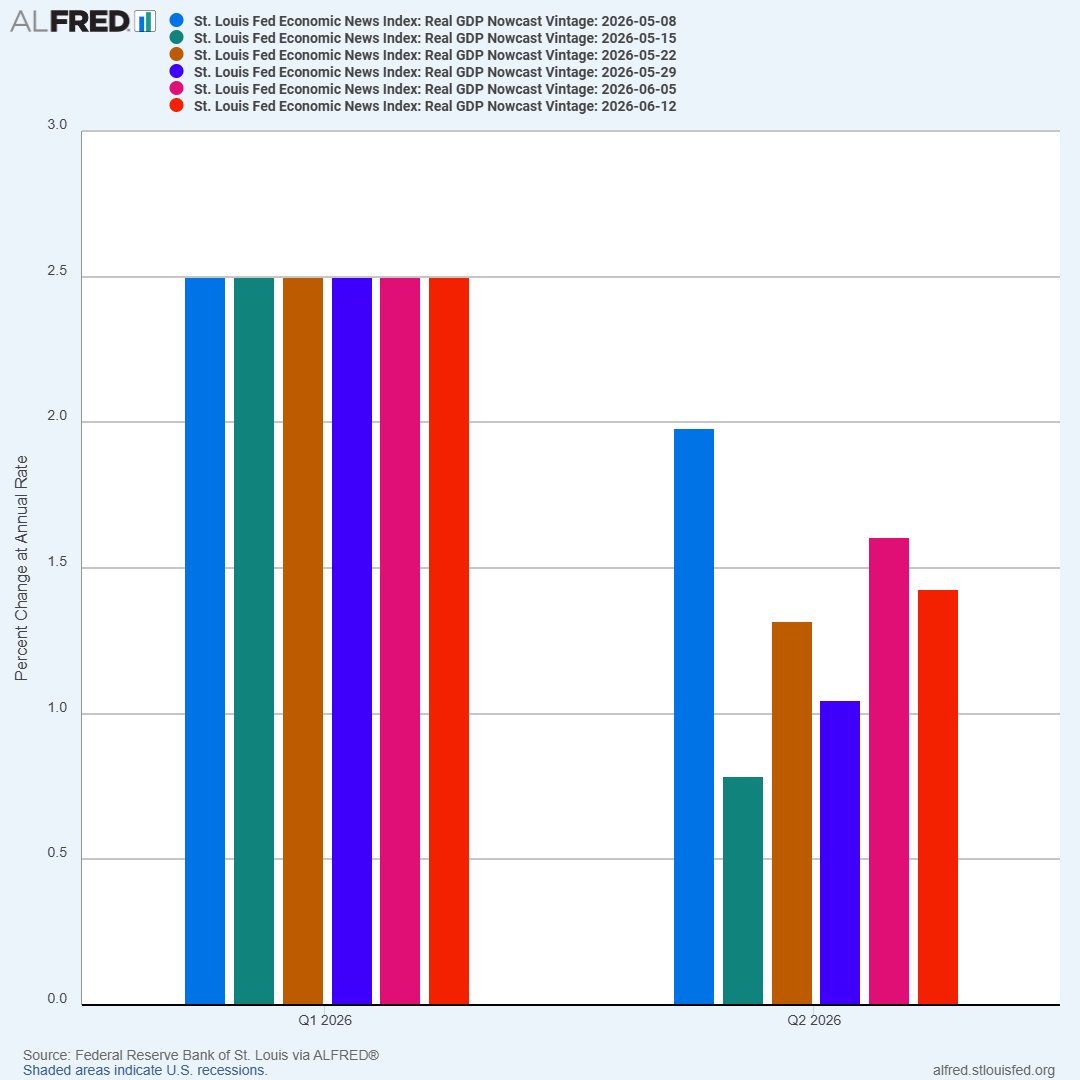
On June 12, our Economic News Index was projecting Q2 2026 real GDP growth of 1.4% at an annual rate, down from 1.6% the previous week. The “nowcast” draws from key monthly data releases to forecast GDP growth. Learn more: bit.ly/4elrivZ
U.S. commercial paper outstanding—reflecting short-term promissory notes issued mostly by corporations—rose in the week ending June 10, by $11.4 billion to $1.41 trillion bit.ly/4asAbTe
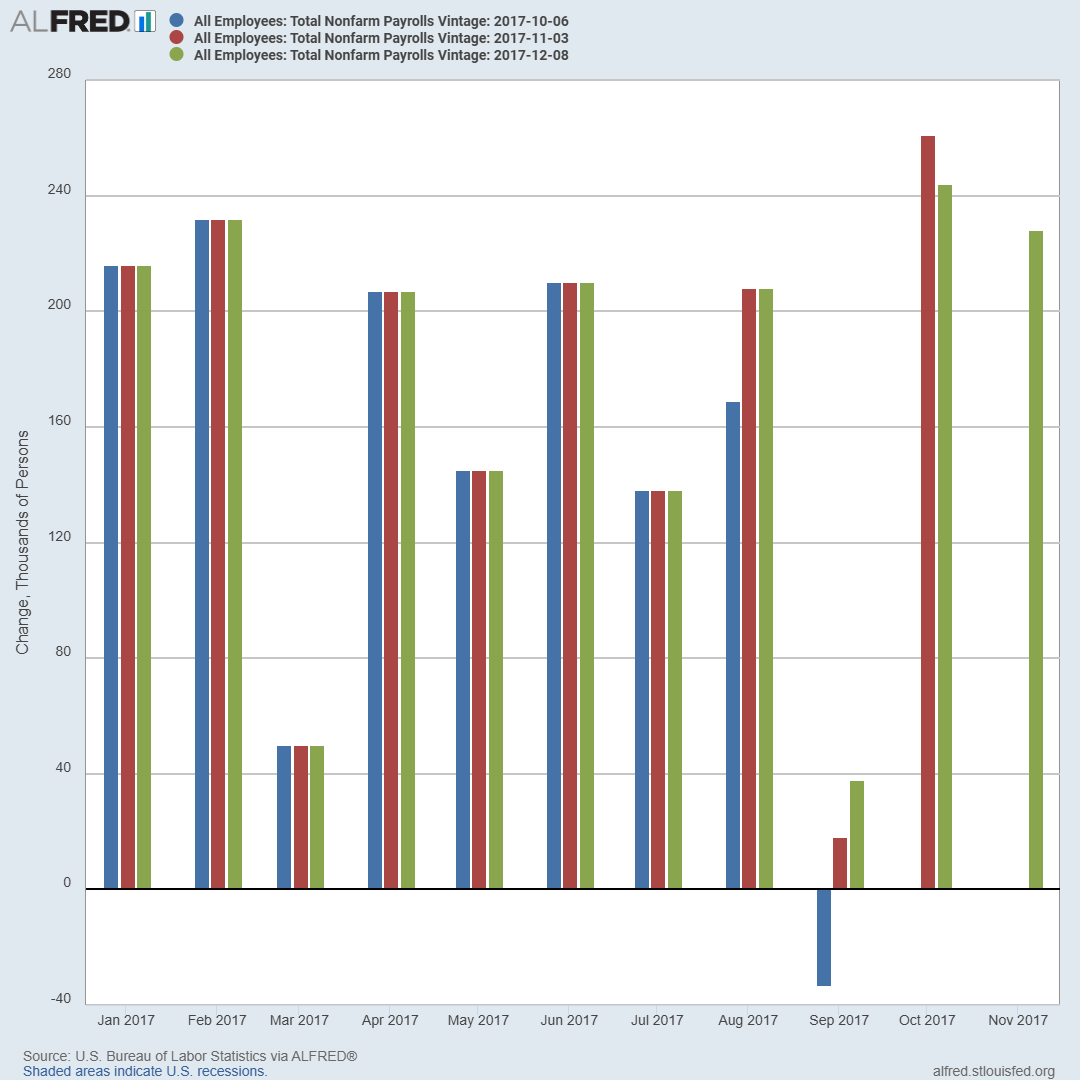
Most economic time series reflect what is known today. They provide the most current, most accurate versions of the data. But what if you want to look back at data from yesterday? That’s where ALFRED (Archival Federal Reserve Economic Data) can help.
For 20 years, ALFRED has
What can ALFRED do for you? Check out the FRED Blog to learn how comparing data vintages can help you better understand economic history to see the data that were available on specific dates bit.ly/43ypRp1
In the week ending June 6, seasonally adjusted initial claims for unemployment insurance benefits—those filed for the first time after a job loss—rose by 4,000, to 229,000. The four-week moving average ticked up by 4,250, to 219,000 bit.ly/4uy6OGy
The producer price index for final demand—representing the wholesale cost of U.S. goods and services—rose 1.1% in May, following a similar increase in April bit.ly/3Qinrb4
From the FRED Blog: ALFRED helps you identify and correct data errors, compare different methods of collecting data, track periodic updates, and improve the data’s accuracy and completeness bit.ly/49X7HAR
NEW: FRED has added 85 data series from the Survey of Household Economics and Decisionmaking reported by @federalreserve. The survey measures the economic well-being of U.S. households and identifies potential risks to their finances. Learn more: bit.ly/3RXWytz
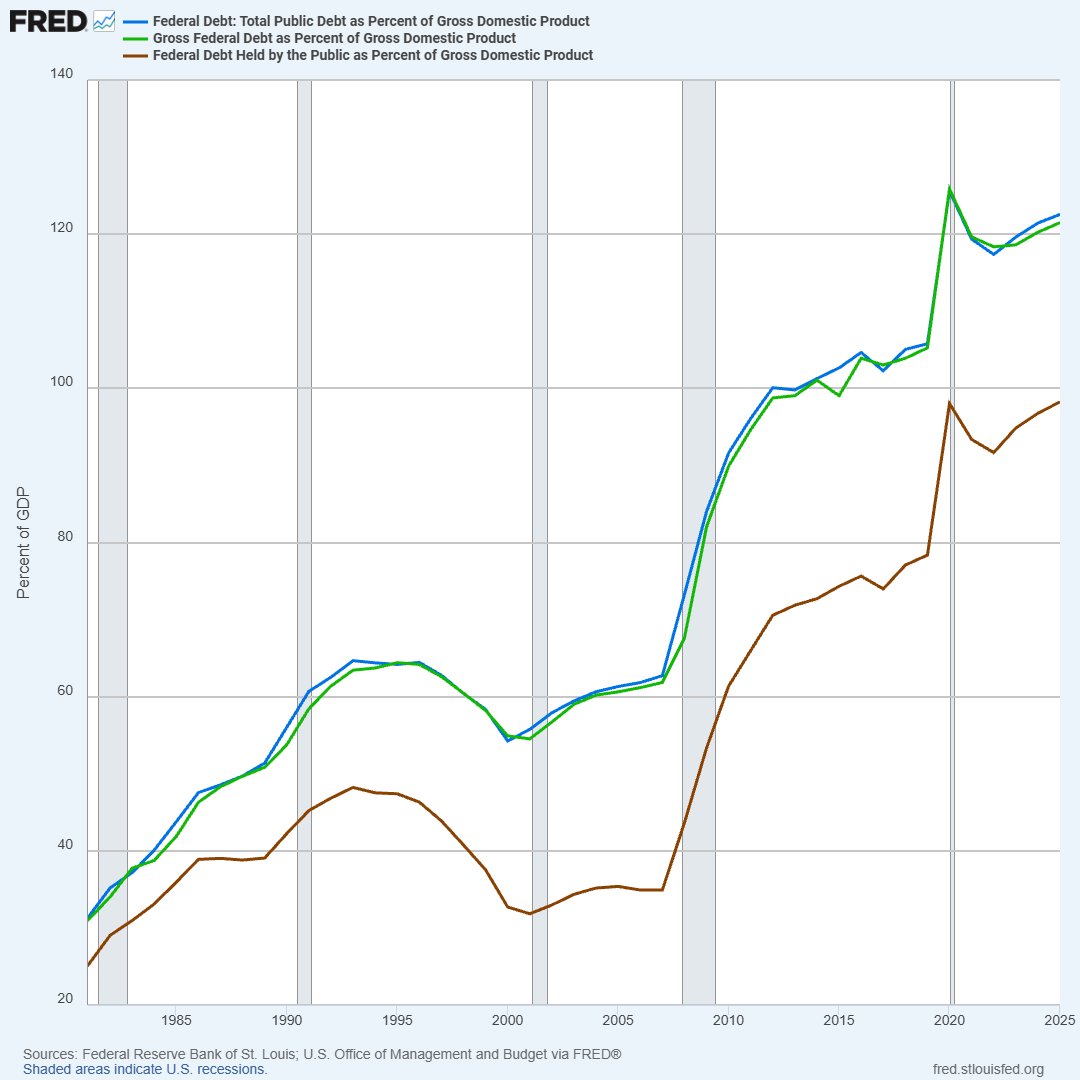
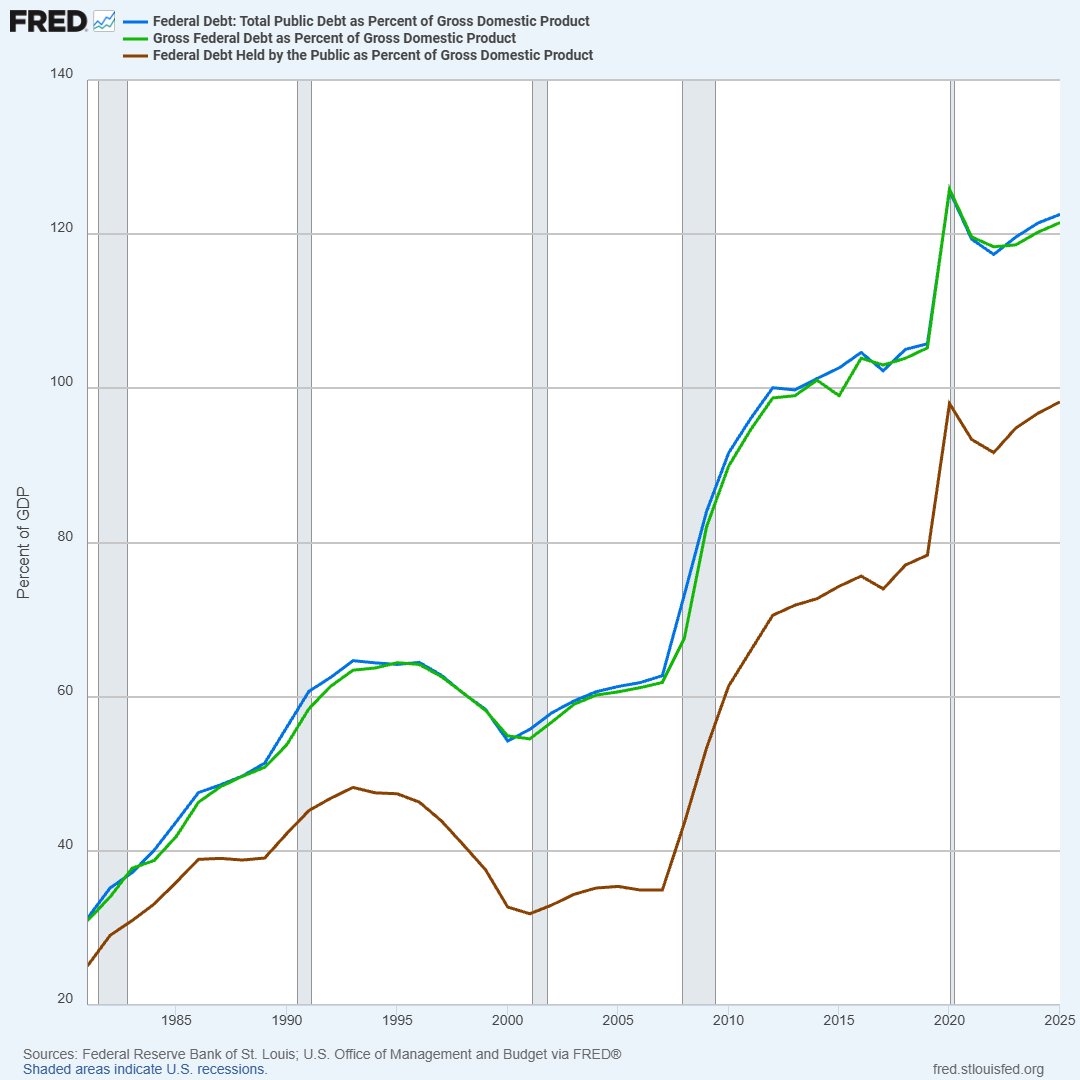
FRED has multiple data series that measure U.S. federal debt. Be sure you choose the right series when reporting the values. Visit the FRED Blog for some details that can help you stay on target bit.ly/4ofQGrn