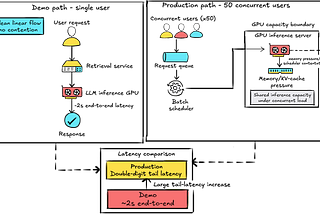
Fahim ul Haq·2d agoWhy weak trade-offs undermine strong interview answersEvery candidate I interview can name a cache. Far fewer can explain how that cache fails under this workload.
Fahim ul Haq·Jun 10Managing data consistency is the hardest interview tradeoffIn nearly every System Design interview I conduct, the same mistake shows up early. The candidate says “strong consistency” or “eventual…
Fahim ul Haq·Jun 9Why interview frameworks matter when pressure kicks inOver the past several years, I’ve conducted System Design interviews for backend and infrastructure roles, and I keep seeing the same…
Fahim ul Haq·Jun 8The Amazon OA cheat sheet: Every pattern I’ve seen in 2026If you have been preparing for the Amazon online assessment by memorizing LeetCode templates, there is a good chance you are optimizing for…
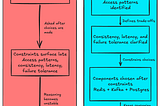
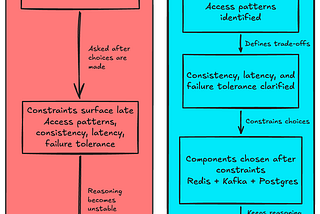
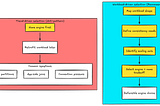
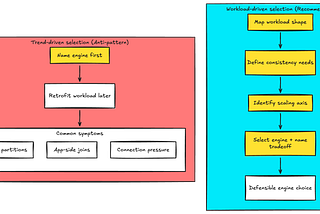
Fahim ul Haq·Jun 2Evaluating database tradeoffs under interview pressureMost candidates I interview name a database within the first two minutes of a System Design interview. Before they ask about read-to-write…
Fahim ul Haq·Jun 1What building distributed systems taught me about hiringA cache time to live (TTL) set to 60 seconds. A read replica running about 90 seconds behind. Both settings were reasonable in isolation…
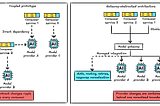
Fahim ul Haq·May 25Designing GenAI pipelines in 2026 that survive long-term scaleThe fastest way to ship a generative AI feature is usually the fastest way to create rewrite debt. That often means calling a model…
Fahim ul Haq·May 18The hidden signals in a great System Design interview answer in 2026Most candidates I interview draw a clean architecture within the first five minutes. Load balancer, cache, database, queue. The diagram…
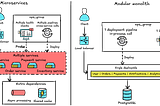
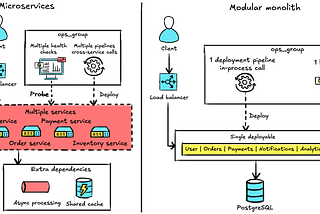
Fahim ul Haq·May 11When scalable architecture hurts more than it helpsI recently reviewed an architecture designed for 50,000 requests per second. The product’s actual traffic was nowhere close. In practice…
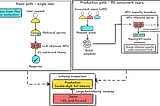
Fahim ul Haq·May 4Most GenAI systems collapse under real traffic. Here’s why.The most misleading moment in a generative AI (GenAI) project is when the prototype looks production-ready. I have seen this pattern…